Maternal and Newborn Deaths increase- Dr Linda Vanotoo
- Posted on
- Comment
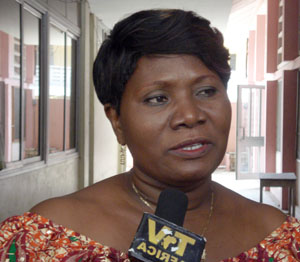 Despite the progress of initiatives by the Ghana Health Service to enhance maternal and neonatal survival, the Greater Accra Region is still grappling with high numbers of newborn and institutional maternal deaths.
According to Dr. Linda Vanotoo, the Greater Accra Regional Director of Health Services, the figures of maternal and neonatal deaths kept increasing.
Presenting the state of the Sexual Reproductive Health Rights (SRHR) of the region at a health forum organized by the Greater Accra Regional branch of the Ghana Coalition of NGOs in Health, Dr. Vanotoo said 242 pregnant women lost their lives in 2011, with the region recording 196 maternal deaths in 2012.
She further noted that 1,857 newborn babies died in 2011, with the figure increasing to 1,987 in 2012.
“The Greater Accra Region, like the rest of Ghana, records unacceptable high rates of maternal and newborn deaths,” she said.
Dr. Vanotoo attributed the high records of maternal and neonatal deaths to delays in accessing health facilities by pregnant women and delays in referring pregnant women to other health facilities.
She also noted that poor eating habits of pregnant women which resulted in anemia and other conditions such as hemorrhage, bleeding during child birth and high blood pressure were other factors which accounted for maternal deaths.
She however said government had intensified its efforts in addressing the challenges through improving blood transfusion services, specialist outreach and call centre operationalisation.
Dr. Vanotoo also called on Non Governmental Organizations and Civil Society Organizations (CSOs) to support government’s efforts at implementing policies on maternal and neonatal health.
She said the NGOs and CSOs could support community structures to increase early utilization of health facilities, build strong partnership with local health authorities and play a key role in public education and follow up.
“I would like to call on NGOs and CSOs to improve the skills at collaboration so that they can foster better partnerships with health system and also advocate strong accountability on the part of care providers,” she said.
Chairperson for the event, Abdulai Bukari Braimah, advocated increased government commitment in providing resources and health services for all, particularly the poor and the marginalized population.
“We must redouble our efforts and work with greater resources, ingenuity and dedication to ensure that all people have access to sexual and reproductive health services and rights,” he said.
By Jamila Akweley Okertchiri, Daily Guide
ABOUT: Nana Kwesi Coomson
 [email protected]
 An Entrepreneur, Corporate Social Responsibility, Corporate Communications Executive and Philanthropist. Editor-in-Chief of www.233times.com. A Senior Journalist with Ghanaian Chronicle Newspaper. An alumnus of Adisadel College where he read General Arts. His first degree is in Bachelor of Arts - Political Science (major) and History (minor) from the University of Ghana. He holds MSc in Corporate Social Responsibility (CSR) and Energy with Public Relations (PR) from the Robert Gordon University in the United Kingdom. He is a 2018 Mandela Washington Fellow who studied at Clark Atlanta University in USA on the Business and Entrepreneurship track.
View all posts by: Nana Kwesi Coomson


 (Selorm) |
  (Nana Kwesi)