Ghana resumes export of maize, other foodstuffs
- Posted on
- Comment
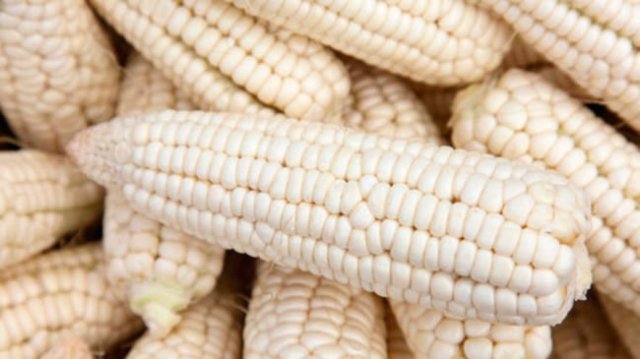
Ghana has resumed the export of maize to Burkina Faso, Ivory Coast and Togo.
This comes at the heels of similar feat in the area of plantain, with reports that several tonnes of the foodstuffs were being exported to countries in the sub-region.
Other food items such as yam, cowpea and cassava are also being exported, according to records tracking the movements of foodstuffs in some major markets across the country.
The last time Ghana engaged in such exports of agricultural produce – apart from cocoa – to other countries was as far back as 2007. But the dwindling fortunes of the agricultural sector between 2009 and 2016 saw a reversal of this development, compelling the country to import tonnes of these same food items from Ghana’s neighbouring countries.
However, the rollout of the government’s flagship ‘Planting for Food and Jobs (PFJ)’ programme has seen tremendous improvement in the sector with the country said to be exporting excess produce to neighbouring countries in the West African sub-region.
According to figures collated from 15 districts in four regions – namely Ashanti, Eastern, Volta and Western – about 2,415 and 107,136, tonnes of yellow and white maize respectively, had been exported to Ivory Coast and Burkina Faso in 2018.
According to the same figures which were collated by officials of the various districts who are monitoring the movements of foodstuffs across the country, about 278,492 tonnes of plantain had also been exported to Togo and Burkina Faso.
Additionally, 24,662 tonnes of yam had been exported to Ivory Coast, whilst within the same period, about 12,110 tonnes of cowpea had been traded between Ghana and Ivory Coast.
The report further indicated that about 308,786 tonnes of cassava had left the shores of the country for Togo and Nigeria. These figures are expected to go higher as the team continues to compile reports from other regions.
For example, figures are yet to be received from Brong-Ahafo and the three northern regions, which are touted as the major food baskets of the country, according to some officials of the Agric Ministry.
These positive developments have been largely attributed to the rollout of the flagship programme, which has resulted in the revival of the agricultural sector.
“This indicates positive signals and prospects for the agricultural sector whose growth has doubled since the advent of the NPP administration under His Excellency Nana Addo Dankwah Akufo Addo,” sources at the Agric Ministry noted.
The Ministry, under the leadership of Dr. Owusu Afriyie Akoto, a renowned farmer and agric economist, has also set its sight on reducing the huge importation of rice into the country in the next five years.
ABOUT: Ellsamwise King
 [email protected]
 A Civil/Structural Engineer & Freelance Blogger, Journalist, Social Media Mogul, Digital Marketer, Entrepreneur, and Philanthropist. CEO of Skyline Consortium & 9189 Media Consult and Co-Founder of Team Sarkodie. An alumnus of Prempeh College where he read General Science. He holds a first degree in Bachelor of Science from the Kwame Nkrumah University of Science and Technology. His mentors are Alvar Alto, Rupert Murdoch, Piers Mogan, Mensa Otabil, Bernard ElBernard Nelson-Eshun. Blogs for; http://www.233times.com | www.paemuka.com | http://www.playmusicgh.com | http://www.muzikiq.com | http://www.brandsaid.biz . Social Media Manager for Eon3 Group | BrandsAid | Kings Crown Media | Carabao Africa Ghana & Africa | Calvary Temple - ICGC | Team Sarkodie | Muzik IQ | Kwaw Kese Please inquire more via Email: [email protected] | [email protected] Instagram & Twitter: @wise_tskd Facebook: Ell Samwise LinkedIn: EllSamwise King Dogbe
View all posts by: Ellsamwise King



 (Selorm) |
  (Nana Kwesi)