Sani Abacha – the hunt for the billions stolen by Nigeria’s ex-leader
- Posted on
- Comment
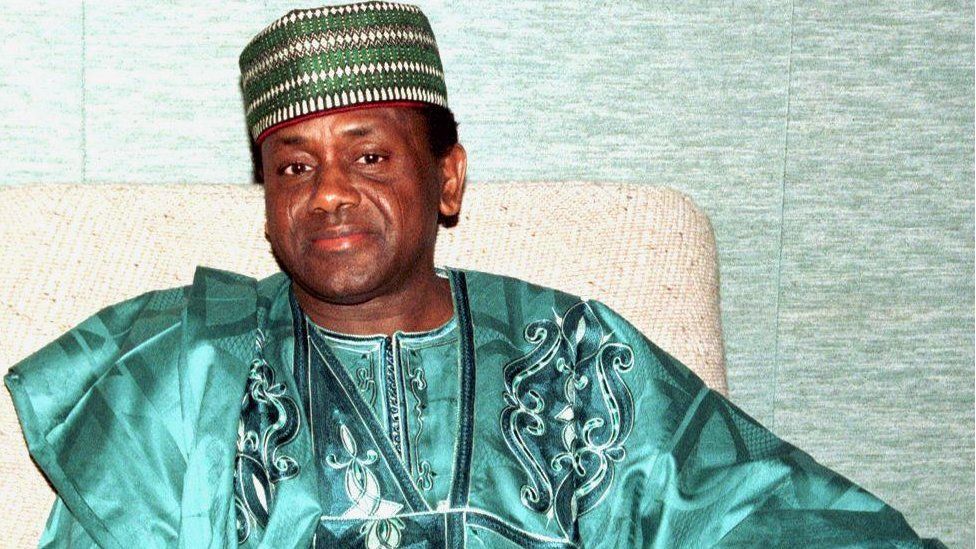
When Nigeria’s then-head of state Sani Abacha stole billions of dollars and died before spending his loot, it prompted an international treasure hunt spread over decades. The man hired to get the money back tells the BBC’s Clare Spencer how the search took over his life.
In September 1999, Swiss lawyer Enrico Monfrini answered a phone call that would change his next 20 years.
“He called me in the middle of the night, he asked me if I could come to his hotel, he had something of importance. I said: ‘It’s a bit late but OK.'”
The voice on the end of the line was that of a high-ranking member of the Nigerian government.
‘Can you find the money?’
Mr Monfrini says the official was sent to Geneva by the Nigerian president at the time, Olusegun Obasanjo, to recruit him to get hold of the money stolen by Abacha, who ruled from 1993 until his death in 1998.
As a lawyer, Mr Monfrini had built up a Nigerian client base since the 1980s, working in coffee, cocoa and other commodities.
He suspects those clients recommended him.
“He asked me: ‘Can you find the money and can you block the money? Can you arrange that this money be returned to Nigeria?’
“I said: ‘Yes.’ But in fact I didn’t know much about the work at that time. And I had to learn very quickly, so I did.”
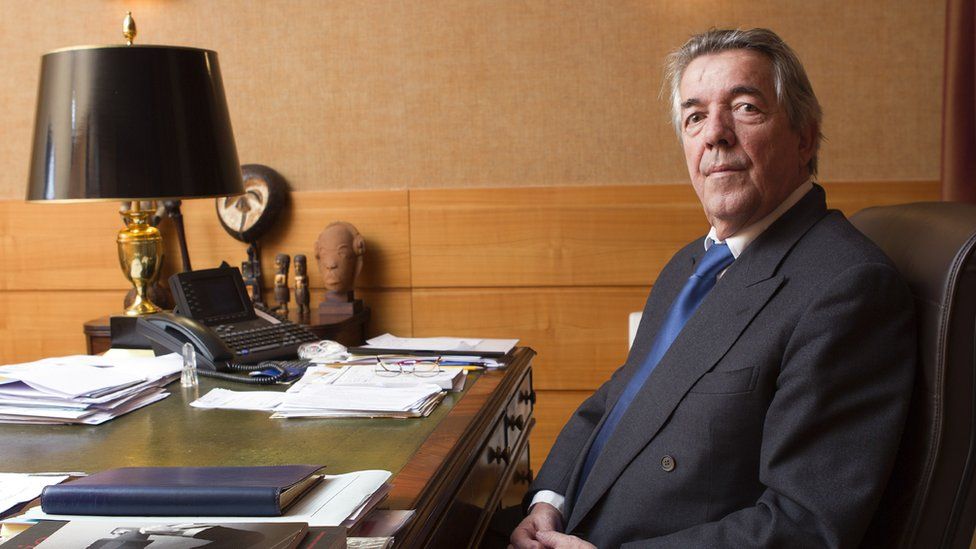
To get started, the Nigerian police handed him the details of a few closed Swiss bank accounts, which appeared to be holding some of the money Abacha and his associates had stolen, Mr Monfrini wrote in the book Recovering Stolen Assets.
He said that a preliminary investigation published by the police in November 1998 found that more than $1.5bn (£1.1bn) was stolen by Abacha and his associates.
‘Dollars by the truckload’
One of the methods used for accumulating such a colossal sum was particularly brazen.
Abacha would tell an adviser to make a request to him for money for a vague security issue.
He then signed off the request which the adviser would then take to the central bank, which would hand out the money, often in cash.
The adviser would then take most of that money to Abacha’s house.
Some was even taken in dollar notes “by the truckload”, Mr Monfrini wrote.
This was just one way Abacha and his associates stole huge amounts of money. Other methods ranged from awarding state contracts to friends at highly inflated prices and then pocketing the difference and demanding foreign companies pay huge kickbacks to operate in the country.
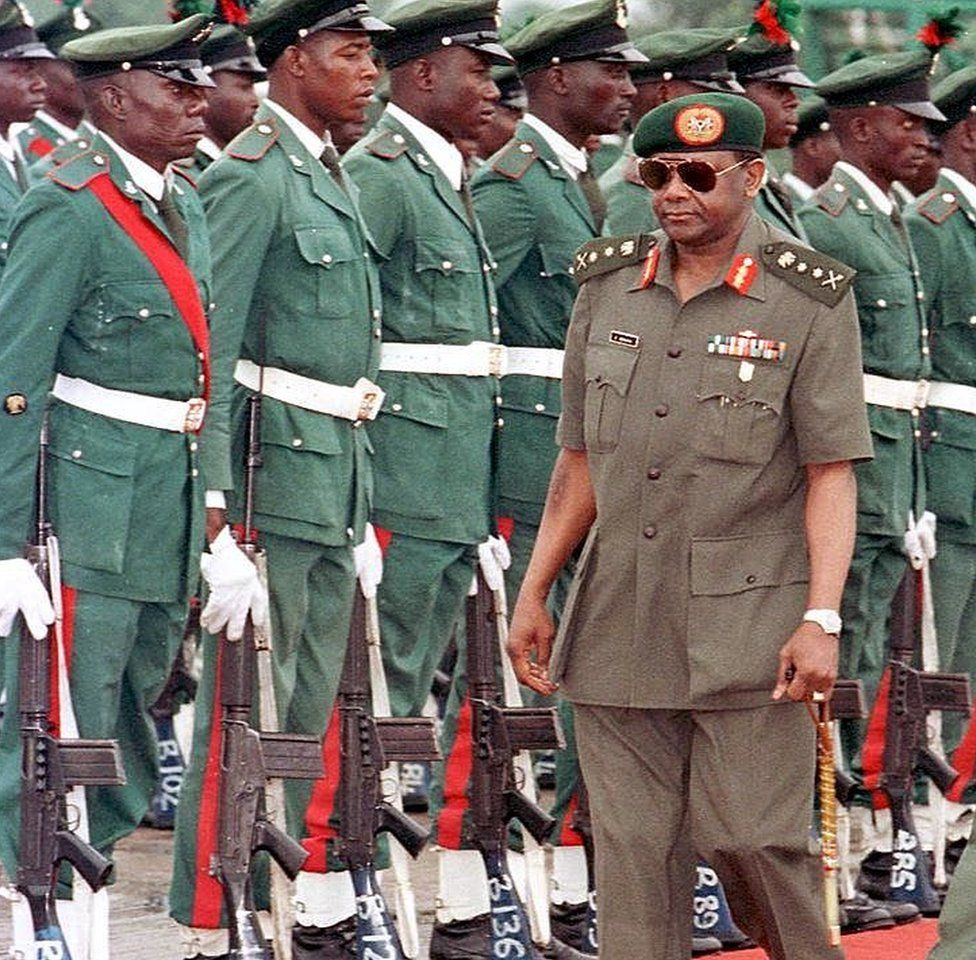
This went on for around three years until everything changed when Abacha died suddenly, aged 54, on 8 June 1998.
It is unclear whether he had had a heart attack or was poisoned because there was no post-mortem, his personal doctor told the BBC.
Abacha died before spending the stolen billions and a few bank details served as clues as to where that money was stashed.
“The documents showing the history of the accounts gave me a few links to other accounts,” said Mr Monfrini.
Armed with this information he took the issue to the Swiss attorney general.
And then came a breakthrough.
Mr Monfrini successfully argued that the Abacha family and their associates formed a criminal organisation.
This was key because it opened up more options for how the authorities could deal with their bank accounts.

Who was Sani Abacha?
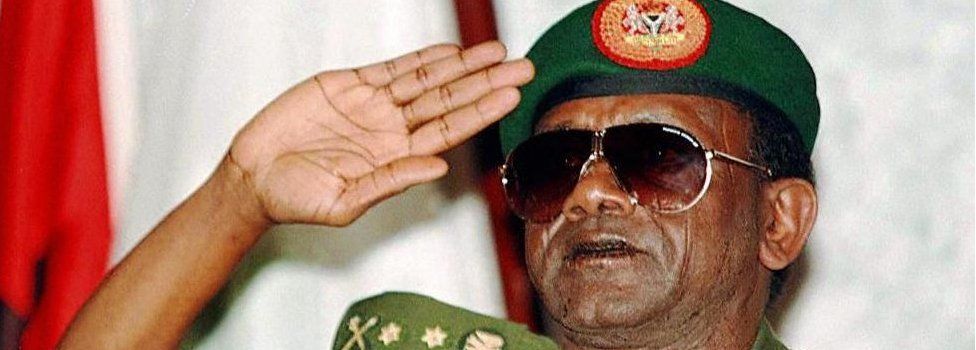
- Fought in Nigeria’s army during the civil war
- Key player in two coups before becoming minister of defence in August 1993
- Became head of state in a military coup in November 1993
- His government accused of widespread human rights abuses
- Nigeria suspended from The Commonwealth after execution of nine human rights activists in 1995
- Died unexpectedly on 8 June 1998, at 54 years old
- Father to 10 children
-BBC
ABOUT: Nana Kwesi Coomson
 [email protected]
 An Entrepreneur, Corporate Social Responsibility, Corporate Communications Executive and Philanthropist. Editor-in-Chief of www.233times.com. A Senior Journalist with Ghanaian Chronicle Newspaper. An alumnus of Adisadel College where he read General Arts. His first degree is in Bachelor of Arts - Political Science (major) and History (minor) from the University of Ghana. He holds MSc in Corporate Social Responsibility (CSR) and Energy with Public Relations (PR) from the Robert Gordon University in the United Kingdom. He is a 2018 Mandela Washington Fellow who studied at Clark Atlanta University in USA on the Business and Entrepreneurship track.
View all posts by: Nana Kwesi Coomson


 (Selorm) |
  (Nana Kwesi)