Gov’t justifies support for 7 local banks
- Posted on
- Comment
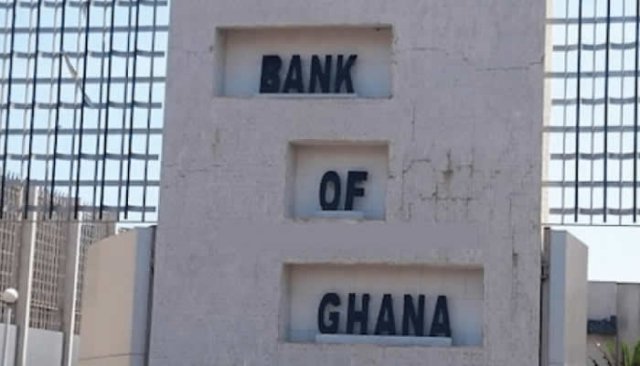 The government has justified its decision to back financial support arrangements that would raise the minimum capital requirement levels of seven local banks.
Last year, the Bank of Ghana raised the minimum capital requirement of commercial banks from GH¢120 million to GH¢400 million and set a December 31, 2018 deadline.
According to the central bank, some 22 banks have so far met the new minimum capital requirement, but some local banks have been struggling to meet it.
The justification by government comes in the wake of accusations of double standards and bias by some industry watchers who suggest that the banks to be supported have been given preferential treatment.
According to a government source, it was forced to support the planned bailout arrangement – which is private-sector led – because should the banks fold up, it would have a devastating effect on the economy.
The struggling local banks, according to the government, are making a significant contribution to the economy in terms of payment of taxes and providing employment.
For instance, the source indicated, “We were worried about the direct and indirect job losses coming just after the collapse of the seven commercial banks.”
The government, according to the source, is concerned that the economy may not be ready to absorb another round of indirect jobs that will be occasioned if the seven struggling banks go down.
It also considered the fact that if these banks are made to operate as savings and loans companies because of their inability to meet the new capital requirement, it will restrict a lot of business activities which would in turn impact negatively on their earnings and jobs.
The government has also rejected claims of bias and double standards over how it handled the situation.
The news about the planned financial support for these local banks has resulted in some people raising serious concerns about why the government allowed some other seven banks to go down.
ABOUT: Ellsamwise King
 [email protected]
 A Civil/Structural Engineer & Freelance Blogger, Journalist, Social Media Mogul, Digital Marketer, Entrepreneur, and Philanthropist. CEO of Skyline Consortium & 9189 Media Consult and Co-Founder of Team Sarkodie. An alumnus of Prempeh College where he read General Science. He holds a first degree in Bachelor of Science from the Kwame Nkrumah University of Science and Technology. His mentors are Alvar Alto, Rupert Murdoch, Piers Mogan, Mensa Otabil, Bernard ElBernard Nelson-Eshun. Blogs for; http://www.233times.com | www.paemuka.com | http://www.playmusicgh.com | http://www.muzikiq.com | http://www.brandsaid.biz . Social Media Manager for Eon3 Group | BrandsAid | Kings Crown Media | Carabao Africa Ghana & Africa | Calvary Temple - ICGC | Team Sarkodie | Muzik IQ | Kwaw Kese Please inquire more via Email: [email protected] | [email protected] Instagram & Twitter: @wise_tskd Facebook: Ell Samwise LinkedIn: EllSamwise King Dogbe
View all posts by: Ellsamwise King


 (Selorm) |
  (Nana Kwesi)